Hedge Trimming in Chiswick

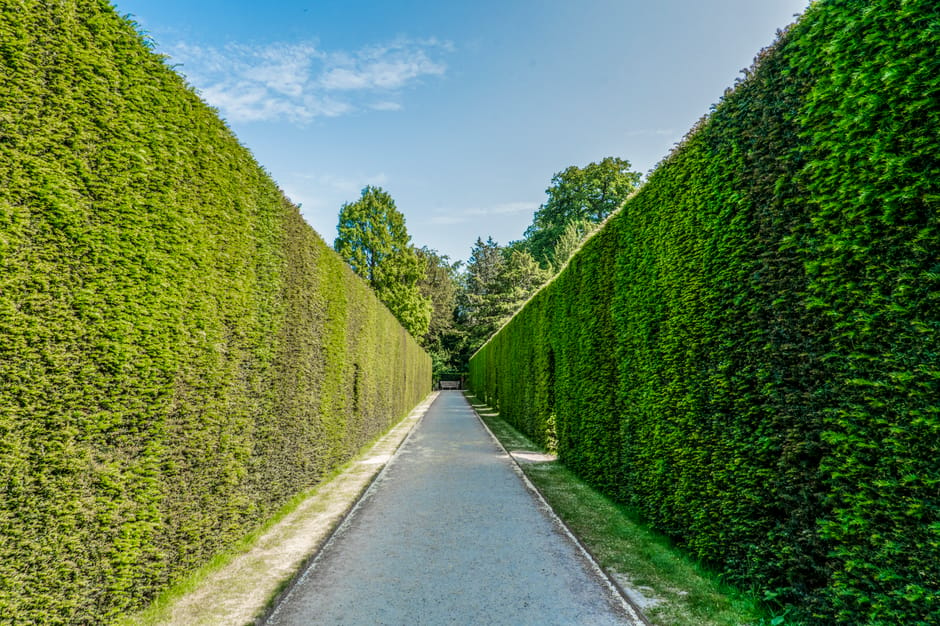
Hedge trimming in Chiswick is the core service here, focused on keeping hedges neat, balanced and managed throughout the growing season. The work can include light shaping, regular maintenance cuts and more considered reductions where a hedge has become uneven or too dense. We aim to help homeowners and property managers keep boundaries tidy, maintain usable garden space and present planting in a controlled, attractive condition.
Because hedges vary so much by species and maturity, the approach should be practical rather than rushed. Selective trimming is often better than a heavy cut, especially where a hedge needs to stay healthy as well as look tidy. Our work can support form, density and access around paths, drives and borders, while respecting the natural growth habit of the hedge rather than forcing a harsh shape that may not last.
For a quotation, a brief description of the hedge type, its approximate height and the condition it is in will usually help start the discussion. If you are unsure what level of trimming is needed, you can still ask for advice and outline the result you want. Send through the basics and we can help guide the next step.
Regular Hedge Care and Seasonal Trimming
Routine hedge care is often the best way to keep growth under control without letting the work become excessive later on. That may mean an annual trim for a slower-growing hedge, or a more frequent schedule for faster-growing varieties that quickly lose their line. A good maintenance cut aims to preserve shape, encourage even regrowth and keep the hedge from narrowing at the base or bulging at the top.
Seasonal timing matters, and the right cut depends on the plant as much as on appearance. Some hedges respond well to a tidy summer trim once the main burst of growth has settled, while others benefit from a lighter approach at different times of year. We can trim hedges with an eye on their current condition, nearby planting and the level of finish you want, whether that is crisp boundary definition or a softer garden edge.
What a maintenance trim may cover
Maintenance work can include reducing fresh shoots, correcting uneven sides, re-establishing a straight top line and removing small sections of overgrowth that interfere with paths or adjacent beds. It can also help a hedge remain controllable where one side gets more light than the other and starts to grow unevenly. In practical terms, the aim is to keep the hedge useful and presentable without stripping away more than it needs.
Shaping Overgrown or Uneven Hedges

When a hedge has been left too long between cuts, it may need more than a simple tidy-up. Overgrown hedges can lose their shape, lean outward, block light or become difficult to maintain with normal pruning. In those cases, trimming may need to be broken into sensible stages so the hedge is improved without creating unnecessary stress or leaving a stark, unfinished result.
Our approach to heavier trimming is shaped by what the hedge is already doing. Some hedges can be reduced neatly while still keeping a natural profile; others need a gentler correction because the inner growth is sparse or the plant has not been maintained evenly. A careful method helps avoid a cut that looks too severe. If you want a tidy boundary with a more controlled outline, this is often the point where measured decisions matter most.
Useful decisions before a stronger cut
It helps to decide whether the priority is height, width, neatness or all three. A hedge beside a boundary may need the sides brought in first, while one that shades a terrace may benefit from a top reduction and a clearer line along the front. If the hedge contains mixed growth or sections that are thin, it may be wiser to protect the shape and work towards a better finish over time rather than remove too much in one visit.
Boundary Hedges, Front Gardens and Garden Structure

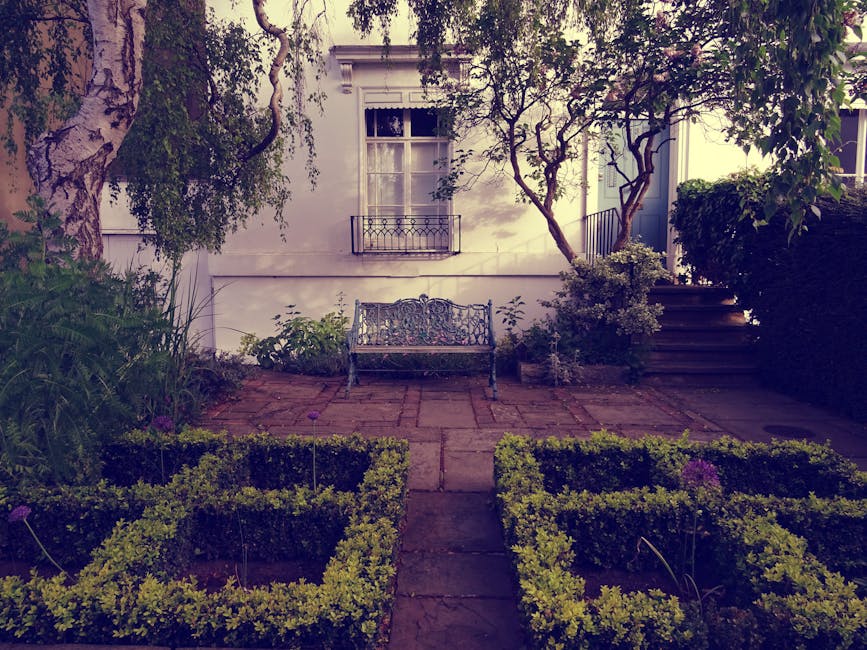
Boundary hedges and front-garden hedges often need a finish that looks tidy from both sides. That can mean keeping edges consistent, making corners clean and ensuring the hedge sits well against fences, walls, gates or railings. Where hedging forms part of the structure of the garden, a precise line can make the whole outdoor space feel more ordered without needing major changes elsewhere.
Hedge trimming can also be useful where planting frames entrances or guides movement through the garden. A hedge that is kept in proportion can improve visibility, reduce intrusion onto paths and keep the garden easier to navigate. In some settings, the right cut supports a formal feel, while in others a softer trim helps the planting sit comfortably with lawns, borders and mixed shrubs. The main point is that the hedge should suit the space rather than dominate it.
If a hedge is part of a more open landscape scheme, the work may need to respect the surrounding planting instead of treating every section the same. That can mean leaving some growth deeper inside the line, trimming only the active tips, or taking extra care around young shoots and nesting habitats where relevant. A well-judged trim is usually one that improves the hedge and fits the wider garden.
Garden Maintenance Options Around Hedge Work
Some customers want hedge trimming as a single, focused task, while others prefer it to form part of broader garden maintenance. Where the site also needs general upkeep, it can be practical to combine hedge cutting with work on lawns, borders, edging or other tidying tasks so the whole garden reaches a similar standard. This keeps the visual result consistent instead of leaving one part smart and the rest unfinished.
We also offer related garden services that support a tidy outdoor space. These can include garden maintenance for ongoing care, lawn mowing where the grass also needs attention, and garden clearance for areas that have become cluttered with cuttings, unwanted growth or neglected material. The right combination depends on what the garden actually needs rather than on a fixed package.
- Combine hedge trimming with border tidying when the planting needs a uniform finish.
- Choose lawn cutting alongside hedge work when the whole garden has grown beyond its usual standard.
- Use clearance only where there is genuinely unwanted material to remove or reduce.
- Keep a regular trimming pattern if the hedge is meant to stay compact and controlled.
Access, Cuttings and Practical Site Considerations

Useful preparation for hedge trimming is straightforward. If access is tight, if the hedge sits close to parked cars, or if there are gates and narrow passages involved, it helps to mention that at the outset. Photos can also be useful when the hedge is long, mixed in height or partly obscured, because they make it easier to understand the scale of the work and what sort of finish is expected. Clear information usually leads to a more accurate quotation.
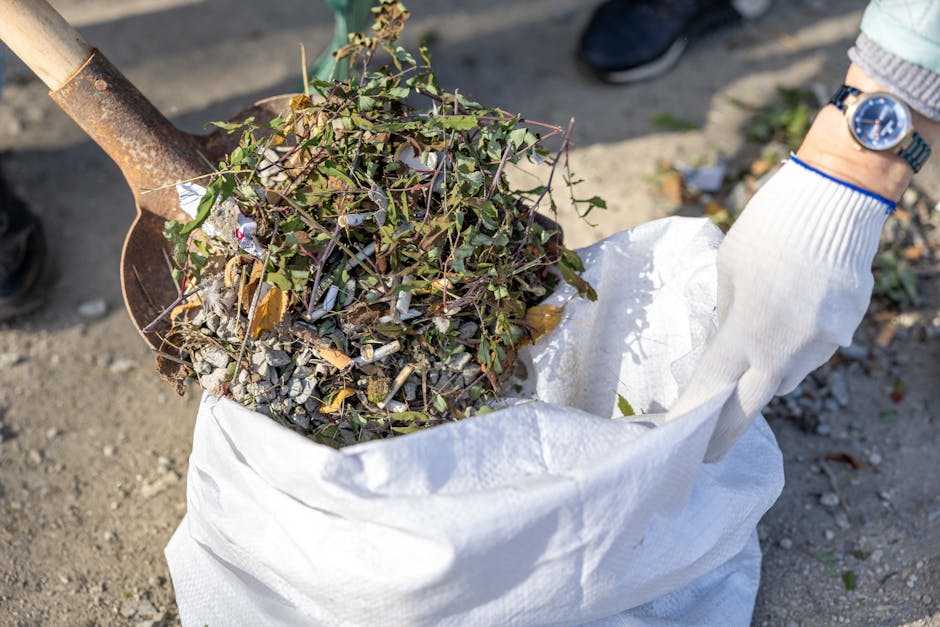
It is also worth deciding what should happen to the arisings. Some jobs produce only a small amount of light cuttings, while others create a much larger volume that needs collecting and removal. If you want the hedge trimmed as well as the waste taken away, it is sensible to say so early. That keeps the arrangement simple and avoids assumptions about what is included. The same applies if there are areas of the garden that should be left untouched.
Why a quotation may vary
A quotation can be influenced by hedge length, height, density, accessibility, the amount of shaping required and whether the cuttings need to be handled as part of the job. Hedges with awkward angles, mixed species or significant overgrowth may take more time than a straightforward straight run. Where a hedge has been left for a long period, the work may need to be paced carefully to preserve the overall result. A fair quotation should reflect that variation.
Related Outdoor Services and Project Planning
Hedge trimming often sits alongside other exterior work, especially where the garden is being improved in stages. If the hedges are part of a wider plan, it may make sense to look at nearby structures, surfaces or planting at the same time so the property presents well overall. We can also support related outdoor projects where a more complete refresh is needed rather than isolated trimming alone.
For customers considering more than one type of improvement, useful related pages include our services overview, landscaping, landscape gardening, decking services and tree lopping and removal. Those pages can help you think through whether the work is limited to hedges or whether other parts of the outdoor space would benefit from attention as well. We keep the discussion practical and focused on the job in front of you.
If you are comparing options, start with the hedge itself and then decide whether any associated work should be scheduled alongside it. That may include trimming, planting changes or work to improve access around the garden. Ask for a quotation when you are ready, and mention any related tasks in the same enquiry so the scope can be assessed properly. Request a quotation when you have the details to hand.
Hedge Types, Finish Levels and Care Choices
Different hedges need different handling, and that is one reason a careful trim is more useful than a generic cut. Evergreen hedges often respond well to regular shaping that keeps the line compact, while deciduous hedges may need a cut that respects their seasonal growth and density. Mixed or older hedges can be less predictable, so the trimming style should suit the plant and the desired finish.
Some customers want a formal outline with a sharp top and straight sides. Others prefer a softer, more natural look that still keeps the hedge under control. Neither is automatically better; the right choice depends on the garden, the species and how much maintenance you want to do later. What matters is that the hedge remains healthy enough to keep building a good shape over time rather than being pushed into a style it cannot hold.
Where a hedge sits close to ornamental planting, the finish may also need to avoid crowding nearby shrubs or compressing the garden visually. Trimming can therefore do more than tidy the edges. It can help define spaces, improve sight lines and keep the planting arrangement working as a whole. Done well, it leaves the hedge looking intentional rather than merely shortened.
About Chiswick
Chiswick is a district in West London with a long-established riverside character, shaped by its position on a broad bend of the Thames and by the road corridors that connect it to the rest of the city. Historic development in the area includes grand houses, mature streets and a patchwork of later residential growth, giving parts of Chiswick a varied architectural feel. The district is known for green spaces as well as built heritage, with Chiswick House and Gardens standing out as one of its best-known landmarks. This Palladian villa and landscaped estate reflect 18th-century taste and remain a major reference point in the local landscape. The riverside also contributes to the area’s identity, with towpath stretches, waterside pubs and views across the Thames that have long been part of its appeal. Turnham Green, another recognisable local location, provides an open focal point within the district and is associated with both civic life and historic memory. Chiswick’s streets include a mix of terraces, villas and commercial parades, while its village-like centres around Chiswick High Road and neighbouring pockets create a lively but relatively compact urban pattern. The area has also been shaped by transport, with rail and Underground links connecting it to central London and beyond. That combination of river, parkland, historic buildings and active high street gives Chiswick a layered character that feels distinct within the wider borough. It is an area where domestic gardens, mature hedging and older planting can sit alongside contemporary living, all within a setting that has evolved over many centuries.
Trimming Details for Better Long-Term Results
A better hedge finish usually depends on more than simply cutting the visible growth. The line should be even, the sides should not flare unexpectedly, and the top should be managed so the hedge does not become top-heavy. Trimming may also need to take into account how light reaches the hedge, because uneven exposure can create weak points or sparse areas that are easy to overwork if the cut is not considered. A sensible approach protects the hedge for the next stage of growth.
Where the hedge is especially dense, a trim may need to open the outer growth a little without exposing too much bare interior. Where it is young, the goal may be to establish a compact form that will stand up to future maintenance. In either case, the objective is the same: a hedge that looks tidy now and remains manageable later. That is more useful than a finish that looks neat for a week but does not support healthy regrowth.
If the hedge is part of a boundary or frontage, consistency matters. Repeating the same line along the whole run can make the entire property feel more ordered, even if the planting itself is simple. Small variations in height, corner treatment and depth can make a noticeable difference to the final appearance. That is why thoughtful trimming is often less about force and more about control.
Requesting a Quotation for Hedge Trimming

To request a quotation, it helps to describe the hedge, the length involved and the kind of finish you want. A note about access, waste removal and any particularly awkward sections can also be useful. If the hedge is part of a wider garden project, you can mention the additional work so the scope is clear from the outset. That keeps the enquiry focused and makes it easier to understand what needs to be included.
We can discuss whether the hedge needs a light tidy, a firmer shape correction or ongoing maintenance. If you already know that the garden needs related work, you can raise that at the same time so the quotation reflects the full picture. For a straightforward next step, contact us and send the details you have, then we can take it from there. Ask for a quotation when you are ready.
Clear information helps everyone involved. Even a few lines about hedge height, thickness and location in the garden can make a useful starting point, and it is fine if you are not sure exactly how the hedge should be treated. The main thing is to explain what you want to achieve, whether that is a simple tidy, a more structured reduction or regular ongoing trimming. From there, the work can be planned in a way that suits the hedge and the property.